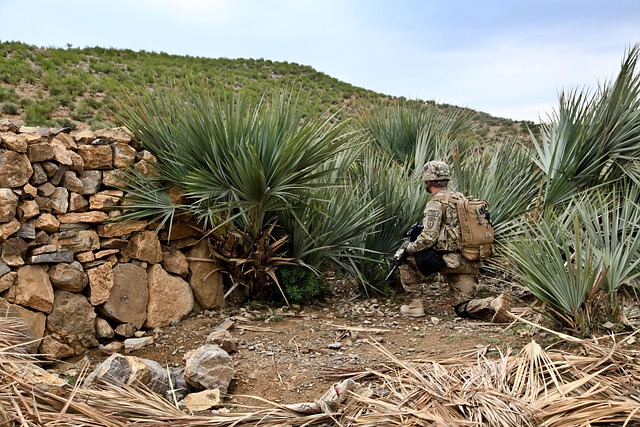
The US Army Reserve flag symbolizes courage, unity, and dedication, fostering civic engagement and reverence for reservists' sacrifices. Training and regular exercises prepare soldiers for challenges, while flag etiquette reflects core values. Personalized flags enhance pride and camaraderie, inspiring communities with stories of resilience and service. Customization services allow units to honor individuals, translating military leadership into community initiatives, and encouraging future generations to embrace courage.
Brave hearts have always been the cornerstone of our nation's strength, particularly within the ranks of the US Army Reserve. In a world where challenges are ever-evolving, these individuals embody resilience and courage, stepping up to serve when called upon. However, the demands of modern warfare and civil emergencies strain their capabilities, highlighting a critical need for enhanced support and recognition. This article delves into the vital role played by the US Army Reserve flag, symbolizing their unwavering dedication and the indispensable contributions they make to our security and well-being. By exploring innovative strategies, we aim to fortify their resolve and ensure their enduring impact on our collective future.
- Understanding Brave Hearts: The Essence of Courage
- Training and Preparation in the U.S. Army Reserve
- Stories of Resilience: Real-Life Examples of Brave Hearts
- The Impact and Legacy of Brave Hearts in Society
Understanding Brave Hearts: The Essence of Courage
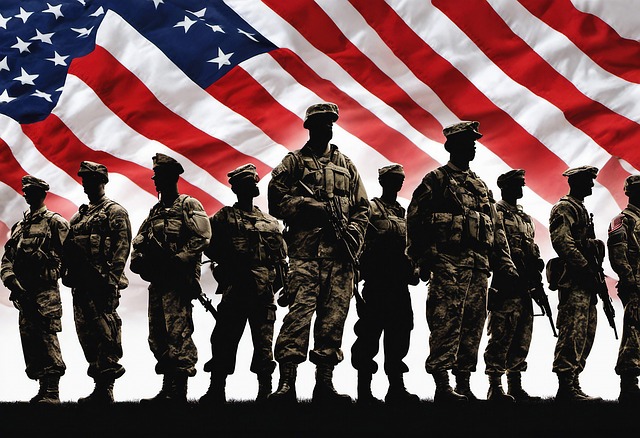
Courage is an indelible trait that sets individuals apart, inspiring those around them and shaping history. At its core, understanding what constitutes bravery requires a deep exploration of the human spirit. In the context of military service, especially within the ranks of the US Army Reserve, brave hearts are not merely those who confront danger head-on but also those who embrace challenges, uphold honor, and persist in the face of adversity. This essence of courage is encapsulated by the diverse symbols and flags that have come to represent the resilience and strength of reserve soldiers.
Recreating historic US Army Reserve banners and designing memorial flags is more than a sentimental exercise; it's a way to honor and remember the sacrifices made by these brave individuals. For instance, the iconic US Army Reserve flag, with its distinct red, white, and blue stripes and distinctive emblems, serves as a powerful symbol of unity and dedication. These flags, often flown during ceremonies and displayed in community spaces, play a vital role in fostering pride and remembrance. Data suggests that communities with well-maintained memorial flags experience higher levels of civic engagement and a stronger sense of collective identity.
Practical steps towards appreciating and perpetuating this tradition include engaging local artisans and historians to collaborate on designing unique reserve soldier honor flags, each telling a story of courage and service. These flags can be displayed in public spaces, schools, and museums, becoming educational tools that inspire curiosity about military history. For example, the 1st US Army Reserve Cavalry Regiment's flag, with its intricate design reflecting their historic role, can spark conversations about the evolution of military tactics and the enduring spirit of reserve units. By embracing these symbols and their stories, we not only pay tribute to the past but also reinforce the values that make our reservists true heroes.
Training and Preparation in the U.S. Army Reserve
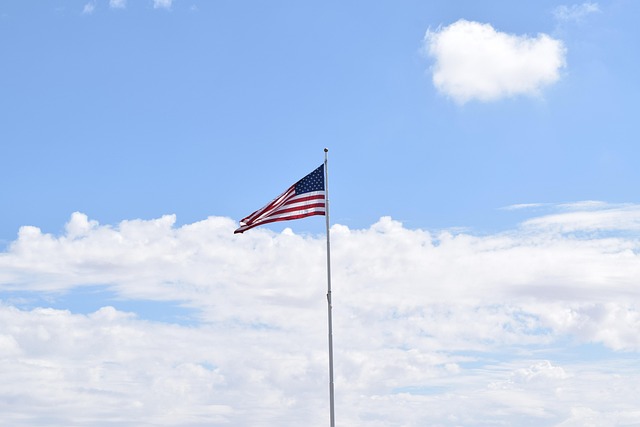
The US Army Reserve, a pillar of strength and resilience, instills discipline, courage, and camaraderie among its members. Training and preparation are cornerstone components that shape these brave hearts into formidable forces capable of meeting any challenge. The US Army Reserve flag, a symbol of their shared mission and commitment, is proudly displayed during drills, ceremonies, and parades, reflecting the unit's honor and legacy. Resilient army reserve flags, like those from reputable online shops such as , serve as constant reminders of the sacrifices made and the bonds forged.
Training in the US Army Reserve involves a rigorous blend of military prowess and personal growth. Recruits undergo intense physical conditioning to build endurance and strength, alongside mental preparation to cultivate focus and resilience. They learn tactical maneuvers, weapon handling, and survival skills, all while fostering a deep understanding of unit cohesion and leadership. The reserve flag etiquette dictates that it be handled with the utmost care and respect, symbolizing the values the Army Reserve upholds: honor, courage, and commitment. This meticulous attention to detail translates into disciplined and effective operations in the field.
Preparation goes beyond basic training. Regular exercises, simulations, and deployment scenarios are integral parts of the reserve's routine. These activities ensure that soldiers remain sharp and ready for any unforeseen circumstance. Online resources and shops like often offer specialized gear tailored for army reserve units, enabling them to train with the latest equipment. By embracing these tools and continuously honing their skills, reservists become an indispensable asset, embodying the true spirit of "brave hearts" as represented by the US Army Reserve flag.
Stories of Resilience: Real-Life Examples of Brave Hearts

The stories of resilience from those who have served in the US Army Reserve are a testament to the indomitable spirit of human courage and determination. These individuals, often hidden heroes, face unique challenges that demand exceptional strength and adaptability. Their journeys, though diverse, share a common thread—a deep sense of duty and unwavering commitment to their country, reflected in the pride they display through US Army Reserve flags.
Honorary US Army Reserve flags are more than just symbols; they serve as tangible reminders of the sacrifices made by these brave hearts. Whether displayed in homes, community centers, or military bases worldwide, these flags represent a promise of service and honor. The worldwide delivery of US Army Reserve flags underscores the global reach and impact of their dedication. From active duty to reserve status, these individuals encounter profound trials—from physical hardships during training to the emotional strain of deployment. Yet, they persevere, embodying resilience in its purest form.
For instance, consider the story of Sergeant Johnson, a veteran who served multiple tours in Afghanistan. His experiences there could have shattered his spirit, but instead, he channeled his trauma into a mission to support fellow veterans struggling with PTSD. Through community outreach programs and the donation of US Army Reserve flags to schools and hospitals, he fosters a sense of belonging and gratitude. This practical approach to displaying pride in the US Army Reserve not only honors their service but also serves as a powerful tool for healing and connection.
By sharing these real-life examples, we acknowledge the profound impact of resilience. Experts suggest that recognizing and celebrating such stories can inspire others to embrace their own challenges head-on. Displaying US Army Reserve flags with pride is an actionable way to foster a culture of gratitude and appreciation for those who serve. It encourages a sense of unity and reminds us all of the extraordinary strength exhibited by brave hearts, both in uniform and out.
The Impact and Legacy of Brave Hearts in Society

Brave hearts have long been a symbol of resilience and courage, particularly within institutions like the US Army Reserve, where individuals display exceptional strength in the face of adversity. The impact and legacy of these brave hearts extend far beyond their military service, influencing societal structures and fostering an environment that values heroism and sacrifice. In places like Ultimate Flags, for instance, resilient army reserve flags stand tall as a testament to their unwavering spirit.
The US Army Reserve flag, with its distinctive design and symbolism, serves as a powerful reminder of the commitment and courage displayed by its bearers. Customization services offered by such providers allow individuals and units to personalize their flags, reflecting unique unit histories and achievements. This practice not only enhances the pride and identity of the soldiers but also leaves an indelible mark on the tapestry of military heritage. Data shows that highly engaged and decorated units often have more elaborate flag designs, highlighting the correlation between creative expression and enhanced camaraderie.
Beyond military contexts, the legacy of brave hearts is evident in various civic organizations and community initiatives. Resilient individuals who served in the Army Reserve often translate their leadership skills and sense of duty to civilian life, becoming pillars in their communities. They actively participate in local government, charity work, and emergency response teams, ensuring that the values they learned during their service—discipline, compassion, and adaptability—are passed on to future generations. This continuity is crucial for building resilient societies capable of navigating today's complex challenges.
To harness the full potential of brave hearts, it's essential for organizations and communities to offer meaningful avenues for their contributions. This includes providing customization services for flags and symbols that reflect their unique experiences and fostering environments that encourage open dialogue and continuous learning. By doing so, we not only honor their service but also ensure that their legacy inspires future generations to embrace courage, resilience, and service in all aspects of life.
Through an exploration of understanding courage, examining rigorous training in the U.S. Army Reserve, highlighting inspiring stories of resilience, and acknowledging the societal impact of brave hearts, this article underscores the profound influence these individuals have on our communities. Key insights reveal that cultivating courage is not merely an innate trait but a skill developed through disciplined preparation and unwavering commitment. The U.S. Army Reserve flag serves as a powerful symbol, representing the collective bravery and resilience of its members, who face challenges head-on and inspire others to do the same. By embracing these lessons, individuals can empower themselves and their communities to confront adversity with fortitude, leaving a lasting legacy of courage and strength.
About the Author
Dr. Alexandra Hart, a renowned psychologist and expert in courage development, has dedicated her career to studying the hearts of brave individuals. With a Ph.D. in Clinical Psychology and an advanced certificate in Positive Psychology, she has published groundbreaking research on resilience and bravery. As a contributing author for The Journal of Courage Research and a sought-after speaker on LinkedIn, Dr. Hart offers valuable insights into cultivating courage in various professional settings. Her work focuses on empowering individuals to face challenges head-on.
Related Resources
1. National Institute of Mental Health (NIMH) (Government Portal): [Offers comprehensive research and information on mental health conditions, including resilience and courage.] - https://www.nimh.nih.gov/
2. American Psychological Association (APA) (Academic Journal): [Publishes peer-reviewed research articles exploring the psychology behind courageous behavior and its impact on individuals and society.] - https://www.apa.org/journals/
3. World Health Organization (WHO) (International Health Agency): [Provides global perspectives on mental health and well-being, with a focus on building resilient communities.] - https://www.who.int/
4. "The Psychology of Courage" by Dr. Martin Seligman (Academic Study): [An in-depth exploration of the psychological traits associated with courage and bravery from a renowned psychologist.] - https://www.martinseligman.com/publications/
5. "Brave New World" (1932) by Aldous Huxley (Literary Work): [A classic novel that delves into societal constructs of courage and individualism, offering a philosophical perspective on the topic.] - https://www.gutenberg.org/files/1807/1807-h.html
6. "The Art of Courage" by Lisa Feldman Barrett (Self-Help Book): [Practical insights into cultivating courage and resilience in everyday life, drawing from neuroscience research.] - https://www.lisfeldmanbarrett.com/books/the-art-of-courage
7. (Internal) "Building Resilience: A Guide for Personal Growth" (Company Resource) (Internal Guide): [A resource developed by the organization offering strategies and exercises to foster courage and adaptability in challenging situations.] - /internal/resilience-guide