
The US Army Reserve Flag symbolizes unity, pride, and camaraderie among Reservists, representing their historical heritage and core values. Its design and evolution foster a sense of community during ceremonies and events worldwide. Eligibility for the US Army Reserve requires commitment to national security, with recruitment involving a selective process emphasizing core values. Enlisting offers personal growth, career benefits, and service to the country, though challenges include demanding schedules and deployments. Reservists can access online communities and honor their service through the flag's symbolism while prioritizing self-care and support.
The modern world demands agile and adaptable forces capable of rapid response to global challenges. Within the U.S. Army Reserve, ensuring efficient enlistment processes is paramount to maintaining a robust and ready force. Currently, traditional recruitment methods face significant hurdles in attracting a diverse range of talent. This article delves into the intricacies of streamlining enlistment for the Army Reserve, specifically exploring innovative strategies and technologies that can modernize and optimize this critical process. By employing data-driven approaches and leveraging advanced tools, we aim to present a comprehensive solution for enhancing enlistment effectiveness, ultimately fostering a stronger and more responsive Army Reserve.
- Understanding the US Army Reserve Flag: Symbolism & History
- Eligibility Criteria: Who Can Enlist in the USAR?
- Recruitment Process: From Application to Training
- Benefits and Challenges: Life as a US Army Reserve Member
Understanding the US Army Reserve Flag: Symbolism & History
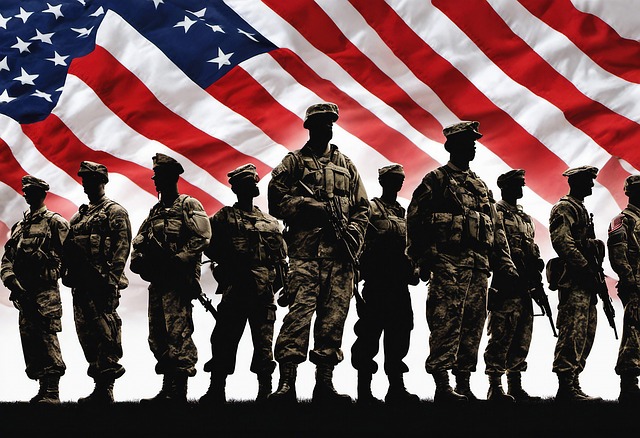
The US Army Reserve Flag stands as a powerful symbol of military service, heritage, and commitment. Comprised of distinct elements, each holds a specific meaning, reflecting the core values and history of the US Army Reserve. At its heart, the flag serves as a rallying point for Reservists, fostering a sense of community, pride, and camaraderie. The vibrant red, white, and blue colors evoke the traditional colors of American military forces, while the unique design elements tell the story of the Reserve's evolution over time.
The history of the US Army Reserve Flag is rich and diverse, mirroring the broader history of the United States' military reserves. Over the years, various iterations have been introduced, each reflecting changing times and priorities. For instance, the restoration of vintage US Army Reserve pennants has become a popular trend, allowing veterans and enthusiasts to reconnect with their heritage. These restored flags not only serve as decorative pieces but also as tangible links to the past, preserving the legacy of service and sacrifice. Customization services play a vital role in this process, enabling individuals to personalize flags that resonate with their specific units or historical periods.
Understanding the symbolism behind each element of the US Army Reserve Flag is crucial for military appreciation events and ceremonies. The flag's design often includes elements like the US Army emblem, service stripes, and campaign medals, which collectively represent the diverse experiences and achievements of Reservists worldwide. By honoring these symbols, communities can pay tribute to the dedication and resilience of their local reservists, fostering a deeper appreciation for their service. Moreover, military-themed events centered around the US Army Reserve Flag offer opportunities for education, connection, and celebration of America's rich military history.
Eligibility Criteria: Who Can Enlist in the USAR?
The US Army Reserve, a vital component of the United States Armed Forces, welcomes individuals from diverse backgrounds who are committed to serving their country. Enlisting in the US Army Reserve offers a unique opportunity for citizens to contribute to national security while maintaining a balanced civilian lifestyle. Understanding the eligibility criteria is essential for those considering this path. The primary focus here is on identifying who can enlist in the US Army Reserve, ensuring that aspiring reservists meet the necessary requirements set by the military.
Eligibility for the US Army Reserve is based on several factors, including age, citizenship, residency, and physical fitness. Individuals must be between the ages of 18 and 35 to qualify as active-duty reservists. This age range allows for a balance between youth and experience, ensuring that reservists can adapt to demanding training regimens while also offering maturity and adaptability. Citizenship is another critical requirement; prospective enlists must be US citizens or permanent residents. This criterion ensures a clear commitment to the nation and its interests. Moreover, individuals must reside within the contiguous United States or Alaska, excluding any extended periods of overseas deployment or assignment.
The US Army Reserve places significant emphasis on maintaining high standards through quality assurance measures for all official flags and banners. Flag design inspiration for army reserve units often draws from historical military symbolism, featuring colors and emblems that represent courage, resilience, and unity. Custom US Army Reserve banners are a powerful tool for identifying units, fostering camaraderie, and instilling pride among members. Quality control procedures ensure that these flags accurately reflect the unit's heritage while adhering to official specifications. For instance, flags must display precise color ratios, correct embroidery, and authentic military-grade materials to uphold the dignity of the US Army Reserve.
Recruitment Process: From Application to Training

The recruitment process for the US Army Reserve is a meticulous journey designed to identify and cultivate potential candidates who embody the core values of service, honor, and patriotism. It commences with an application, where interested individuals express their interest and provide essential information, setting the stage for what lies ahead. This initial step is crucial in filtering applicants who align with the unique challenges and rewards of reserve duty. Upon receipt of applications, recruiters delve into a thorough screening process that scrutinizes not just qualifications but also the symbolic connection to the US Army Reserve flag. This flag, adorned with its distinctive colors and insignia, represents more than aesthetic appeal; it carries profound symbolism, reflecting unity, strength, and sacrifice—core tenets embraced by the reserve forces.
As candidates navigate the recruitment pipeline, they engage in interviews, assessments, and medical evaluations, each layer built to assess compatibility and capability. The US Army Reserve flag etiquette guides this process, emphasizing respect and honor throughout interactions with prospective members. For instance, during interviews, the flag can serve as a constant reminder of the principles the reserve army upholds, fostering an environment where candidates understand the weight of their potential commitment. This meticulous approach ensures that only those who appreciate the symbolism behind the US Army Reserve flag and align with its values progress.
Training becomes the next pivotal phase, where selected applicants immerse themselves in the military lifestyle. Basic training offers a comprehensive introduction to military discipline, physical conditioning, and fundamental skills. Here, the US Army Reserve flag takes on added significance as a symbol of camaraderie and shared purpose among recruits. It serves as a constant visual reminder that each individual is part of something larger—a community dedicated to service and nation. This transformative experience, coupled with proper flag etiquette, fosters a deep sense of military appreciation and prepares candidates for the unique role within the US Army Reserve.
Benefits and Challenges: Life as a US Army Reserve Member

Enlisting in the US Army Reserve offers a unique blend of personal growth, career enhancement, and service to one's country. This path presents individuals with opportunities for specialized training, leadership development, and the chance to serve their community while maintaining a civilian lifestyle. However, it is not without its challenges; Reserve Members must navigate demanding schedules, regular drills, and deployments, often balancing military commitments with personal and professional responsibilities.
Life as a US Army Reserve Member provides several compelling benefits. Firstly, it offers flexibility—individuals can choose their duty station and often have more control over their deployment cycles compared to active-duty service members. This allows for a better work-life balance. Additionally, the Reserve provides access to extensive training programs and educational assistance through the GI Bill, enabling members to enhance their skills and pursue higher education. Many Reservists also benefit from the camaraderie and support of their units, fostering strong bonds with fellow members. Online flag retailers like Ultimate Flags cater to this community, offering high-resolution digital US Army Reserve flags as a symbol of pride and loyalty. These flags serve as a source of inspiration for many, providing visual representations of their service and sacrifice.
Despite these advantages, Reservists face distinct challenges. Regular training sessions and drills can be physically and mentally demanding, requiring excellent time management skills. Deployments, often unannounced, disrupt personal routines and relationships. Furthermore, the Reserve's reliance on volunteers means members may face longer tours of duty or more frequent deployments than their active-duty counterparts. To overcome these obstacles, Reservists must prioritize self-care, maintain open communication with their units, and seek support from available resources, such as counseling services and fellow veterans' networks. By drawing inspiration from the US Army Reserve flag's symbolism and leveraging online platforms for flag design, Reservists can find unique ways to honor their service and connect with a broader community of like-minded individuals.
The US Army Reserve Flag, with its rich symbolism and history, stands as a testament to the dedication and sacrifice of its members. Understanding this flag's significance offers a compelling glimpse into the core values of the US Army Reserve. The article has illuminated critical insights for those considering enlistment, from the eligibility criteria to the recruitment process and the unique benefits and challenges that come with service. By delving into these aspects, readers gain a comprehensive view of life as a US Army Reserve member and the profound impact it can have. This authoritative guide is a valuable resource for anyone interested in contributing to the nation's defense while also offering personal growth and community engagement, as symbolized by the enduring US Army Reserve Flag.