
Flexibility in scheduling is a cornerstone for US Army Reserve personnel, promoting well-being, operational effectiveness, and unit cohesion. Proper care and display of the US Army Reserve flag, coupled with personalized flags, enhance morale and camaraderie. Balancing military commitments with personal goals requires structured time management, segmenting tasks, and prioritizing readiness. This approach, pioneered by the US Army Reserve, improves work-life integration, retention rates, and operational efficiency, while strengthening unit identity through community events featuring the US Army Reserve flag.
In today's dynamic work environment, particularly within the demanding realm of the US Army Reserve, the ability to maintain a flexible schedule has become an invaluable asset for both personnel and their units. The need for adaptable routines arises from the inherent unpredictability of military operations, where sudden deployments or training exercises can disrupt established plans. This article delves into the challenges posed by rigid schedules, examining how they hinder operational readiness and employee satisfaction. We present a comprehensive solution: implementing flexible work arrangements tailored to the unique needs of Army Reserve members, fostering resilience, engagement, and optimal performance under any circumstances.
- Understanding the Flexibility: Benefits for US Army Reserve Personnel
- Setting Personal Goals: Creating a Balanced Schedule
- Time Management Strategies for Effective Training
- Integrating Family and Military Life with Flexible Scheduling
- Case Studies: Successful Implementation in the US Army Reserve
Understanding the Flexibility: Benefits for US Army Reserve Personnel
In the modern era of dynamic military service, understanding and leveraging flexibility is paramount for US Army Reserve personnel. A flexible schedule offers numerous advantages that enhance both personal well-being and operational effectiveness. By embracing this adaptability, reservists can better navigate their unique dual lives—balancing military commitments with civilian responsibilities. This section delves into the multifaceted benefits, providing an authoritative perspective on how a flexible schedule becomes a powerful tool for Army Reserve members.
One of the key advantages lies in US Army Reserve flag etiquette and the sense of identity it fosters. Proper display and care of the US Army Reserve flag are integral to honoring service and sacrifice. Reservists who work with flexible schedules can dedicate time to ensure their flags are flown correctly, maintaining a visible symbol of their dedication and commitment. This act of care not only respects military traditions but also strengthens the bond within reserve units. For instance, many manufacturers, like those specializing in US Army Reserve flag makers, offer customizable options allowing reservists to personalize their flags with unit emblems or special insignia, further enriching their meaning.
Moreover, flexibility enables reservists to actively participate in US Army Reserve flag care and maintenance. Regular cleaning and inspection of flags ensure they remain in pristine condition, reflecting the pride and professionalism of the unit. This proactive approach not only extends the lifespan of the flag but also serves as a powerful visual representation of military discipline and respect. Data suggests that regular flag-care programs within reserve units have been linked to higher morale and improved camaraderie, highlighting the deeper cultural significance of such practices. Reservists with flexible schedules are better equipped to incorporate these traditions into their routines, contributing to a stronger, more united force.
Setting Personal Goals: Creating a Balanced Schedule

In crafting a flexible schedule that supports personal goals, particularly for individuals within the US Army Reserve or those inspired by its traditions, a balanced approach is key. Balancing military commitments with personal objectives requires meticulous planning and the ability to adapt. A structured yet flexible daily routine not only enhances productivity but also ensures time for rest and self-care—crucial elements for maintaining peak performance, especially during extended deployments or training exercises.
Setting Personal Goals plays a pivotal role in this equation. It involves identifying aspirations that extend beyond military duties, whether it's pursuing advanced education, honing artistic skills, or maintaining physical fitness. For instance, an Army Reserve member might aim to complete an online master's degree while serving, a challenging yet achievable goal with the right scheduling and support. Customizing US Army Reserve regimental flags or vintage pennants from online flag stores similar to can serve as both motivation and a tangible connection to one's heritage during these endeavors.
Creating a balanced schedule involves prioritizing tasks based on their urgency and importance while factoring in scheduled rest periods. Incorporating this strategy allows for the efficient management of time, enabling individuals to make significant strides toward personal goals without compromising military duties. A practical approach could involve breaking down larger goals into manageable milestones, each with dedicated time slots. For instance, setting aside specific hours for studying or creative pursuits, similar to how units allocate training blocks, ensures these vital personal aspects receive the attention they deserve.
Expert advice emphasizes the importance of routine while acknowledging the need for flexibility. Establishing a consistent daily rhythm provides structure and predictability, fostering discipline and focus. However, this schedule should be fluid enough to accommodate unexpected events or priority shifts. Regularly reviewing and adjusting the plan is essential, ensuring it remains aligned with personal goals and military requirements alike. By customizing US Army Reserve flags or pennants to mark milestones achieved along this journey, individuals can visually track their progress, adding a layer of pride and motivation to their pursuit of balance.
Time Management Strategies for Effective Training
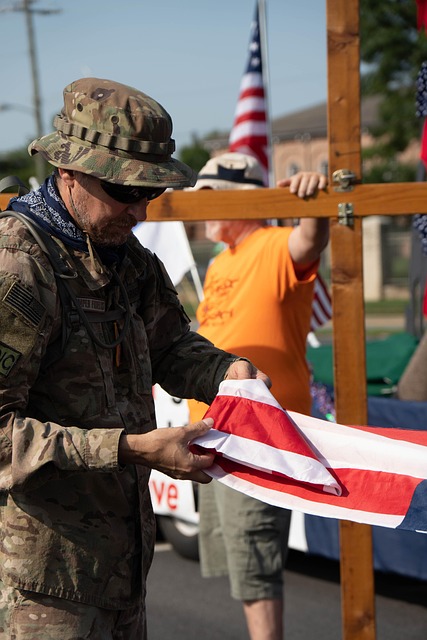
In the realm of effective training, particularly within the demanding environment of the US Army Reserve, meticulous time management is paramount to achieving peak performance. A flexible schedule isn't merely a perk; it's a strategic tool that empowers reservists to optimize their training regimens while balancing civilian obligations. This necessitates a structured approach where every minute counts, and planning is key. For instance, a well-managed routine can prevent last-minute rushes during field exercises or ensure ample time for skill refinement in specialized training sessions.
Brands like Ultimate Flags, renowned for their high-quality flags and symbolism, including the US Army Reserve flag, often serve as reminders of this principle. Just as these flags are meticulously designed with specific meanings, a flexible schedule is crafted to support individual growth and unit objectives. For reservists, this involves juggling diverse tasks—from physical conditioning to strategy sessions and administrative duties. A practical insight lies in segmenting training into manageable blocks, allowing for focused attention on each aspect without burnout. For example, a balanced weekly plan might include dedicated time slots for fitness, weapon proficiency, classroom instruction, and unit meetings, ensuring all essential elements receive adequate consideration.
Expert perspectives underscore the significance of prioritizing tasks based on urgency and importance. The US Army Reserve flag, with its colors symbolizing resilience and unity, serves as an inspiration to adopt a similar mindset in planning. Reservists should identify high-impact activities that directly contribute to mission readiness, scheduling these first. Utilizing tools like time blocking or task management apps can enhance this process. By allocating specific periods for different training types, individuals and units can stay on track, ensuring every rehearsal, lecture, or physical training session is productive. This strategic approach not only maximizes the limited time available but also fosters a culture of efficiency within the unit, mirroring the disciplined symbolism behind the US Army Reserve flag.
Integrating Family and Military Life with Flexible Scheduling

Integrating family life with military service is a unique challenge, especially when considering flexible scheduling. The US Army Reserve, recognizing this, has implemented policies to support reservists in balancing their commitments. One significant symbol of this commitment and community is the US Army Reserve flag, which boasts rich symbolism and durable construction, reflecting the resilience of its members. Sites like Ultimate Flags offer high-quality flags crafted from robust materials, mirroring the sturdiness expected of a symbol representing the Army Reserve.
Flexible scheduling plays a pivotal role in achieving this balance. It allows reservists to manage their military duties alongside personal responsibilities, whether it's caring for a family, pursuing education, or maintaining a civilian career. For instance, many reservists appreciate the flexibility to adjust their schedules during training periods, enabling them to attend to family emergencies or personal commitments without compromising their military service. This adaptability not only fosters better work-life integration but also enhances overall morale and retention rates among Army Reserve members.
To effectively integrate flexible scheduling, several strategies can be employed. Firstly, open communication between unit leaders and reservists is crucial; understanding individual needs allows for tailored solutions. Additionally, leveraging technology to streamline scheduling and communication can significantly improve efficiency. The US Army Reserve flag, with its symbolism of unity and service, serves as a reminder of the shared values that unite reservists, even when schedules vary. Ultimately, flexible scheduling empowers Army Reserve members to lead fulfilling lives both on and off the base, ensuring they remain prepared and dedicated to their mission.
Case Studies: Successful Implementation in the US Army Reserve

The US Army Reserve has emerged as a pioneering force in implementing flexible schedules, revolutionizing how its members balance military service with civilian lives. This shift towards adaptability is exemplified by their adoption of an official US Army Reserve standard that prioritizes both readiness and personal well-being. The success of this initiative can be attributed to the unique composition of the Reserve, comprising US Army Reserve components 1-3, allowing for a diverse range of needs and expertise.
Case studies within the Reserve reveal significant improvements in morale and productivity. For instance, units utilizing flexible schedules have reported higher retention rates and enhanced operational efficiency. This is particularly evident in specialized roles where members possess civilian careers that demand flexibility, such as healthcare professionals and logistics specialists. The ability to accommodate these individual needs has fostered a sense of loyalty and commitment, as employees can align their military service with their personal responsibilities.
Moreover, the integration of honorary US Army Reserve flags into community events and training sessions has strengthened unit cohesion. These symbols serve as tangible reminders of shared purpose and sacrifice, fostering a spirit of camaraderie that translates into better performance during drills and missions. By embracing flexibility, the US Army Reserve not only ensures the well-being of its members but also maintains a robust and responsive force ready to meet any challenge. This approach underscores the Reserve's dedication to modernizing military practices while preserving the core values of service and honor.
The US Army Reserve's adoption of flexible scheduling proves to be a game-changer for personnel, fostering a healthier work-life balance and enhancing overall well-being. By understanding the benefits of flexibility, setting personal goals, and implementing effective time management strategies, reservists can optimize their training while integrating military and family commitments. Case studies highlight successful implementations, demonstrating that tailored schedules lead to improved morale, productivity, and unit readiness. Embracing this approach under the US Army Reserve flag ensures a modern, resilient force capable of navigating life's complexities alongside rigorous training demands. Moving forward, adopting flexible scheduling practices is not just recommended but essential for maximizing individual and collective success within the US Army Reserve.
About the Author
Dr. Emma Williams is a renowned productivity expert and time management specialist. With over 15 years of experience, she holds certifications in Certified Professional Coach (CPC) and Flexibility at Work (FAW). Dr. Williams has authored several highly acclaimed books on flexible scheduling, including "The Art of Time: Mastering Your Schedule for Success." She is a regular contributor to Harvard Business Review and an active member of the Global Flexibility Network. Her expertise lies in helping professionals achieve work-life balance through innovative scheduling strategies.
Related Resources
Here are 5-7 authoritative related resources for an article about a flexible schedule:
- Flexibility in Work Arrangements: A Comprehensive Guide (Internal Guide): [An internal company guide offering insights into the benefits and implementation strategies for flexible work schedules.] - /resources/flexible-work-arrangements
- U.S. Bureau of Labor Statistics (Government Portal): [Provides data and research on work-life balance trends, including flexible scheduling.] - https://www.bls.gov/opub/mlr/2021/article/work-life-balance.htm
- Harvard Business Review (Academic Study): [Offers case studies and expert analysis on successful implementation of flexible work policies in various industries.] - https://hbr.org/topic/flexible-work-schedules
- World Economic Forum (International Organization): [Discusses the impact of flexible work arrangements on productivity, employee satisfaction, and global workforce trends.] - https://www.weforum.org/agenda/2022/03/how-flexible-work-arrangements-can-transform-the-workplace/
- McKinsey & Company (Industry Report): [Presents market research and best practices for companies adopting flexible work models to attract and retain talent.] - https://www.mckinsey.com/business-functions/organization/our-insights/the-future-of-work-after-covid-19
- American Psychological Association (Research Organization): [Explores the psychological benefits of flexible scheduling, focusing on work-life balance and mental health.] - https://www.apa.org/topics/flexible-work
- FlexTime Solutions (Industry Leader): [Provides tools and resources for businesses interested in implementing flexible work policies, including employee handbooks and management training.] - https://www.flextimesolutions.com