
The US Army Reserve Flag represents part-time soldiers' vital role in modern defense, blending military service with civilian careers. These reservists provide specialized skills, adaptability, and resilience, drawing from historical training techniques preserved through vintage flag designs. Recruitment strategies leverage social media and historic branding, while tailored training programs maintain high morale. Balancing military and civilian life presents unique challenges, emphasizing the need for strategic planning, mental health support, and strong connections to excel in both roles. The US Army Reserve Flag symbolizes their dedication and contributes to national security.
The part-time soldier, or members of the US Army Reserve, play a vital role in modern defense strategies. As global security demands fluctuate, these individuals juggle civilian life with military service, showcasing exceptional adaptability and resilience. However, their unique circumstances present challenges in maintaining readiness and ensuring their contributions are fully recognized. This article delves into the intricacies of supporting and empowering part-time soldiers, exploring innovative strategies to enhance their experience within the US Army Reserve flag, fostering a more cohesive and effective military community.
- Understanding the Role: A Deep Dive into Part-Time Soldiering
- Recruitment and Training: Joining the US Army Reserve Flag
- Balancing Life: The Challenges and Rewards for Part-Time Soldiers
Understanding the Role: A Deep Dive into Part-Time Soldiering
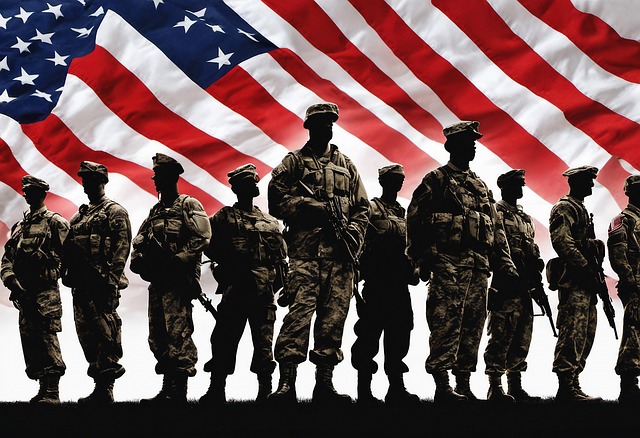
Part-time soldiering, often embodied by members of the US Army Reserve, plays a pivotal role in modern defense strategies. These individuals, who balance their military service with civilian careers and personal commitments, bring a unique blend of skills and perspectives to the battlefield. Understanding their multifaceted roles is crucial for both military brass and society at large. The US Army Reserve flag, reminiscent of vintage US Army Reserve pennants, symbolizes their dedication, resilience, and versatility.
Restoring vintage US Army Reserve pennants can offer valuable insights into the evolution of part-time soldiering. These historical flags, with their distinctive designs and colors, reflect the pride and sacrifice of past generations. By studying these artifacts, modern reservists can draw inspiration from their ancestors' examples. For instance, a close examination of restoration efforts reveals techniques used to maintain the integrity of fabrics and stitching, mirroring the meticulous attention to detail required in contemporary military training.
Honoring the US Army Reserve flags, both vintage and contemporary, is not merely about aesthetics; it underscores the value placed on these part-time soldiers' contributions. Data indicates that reservists often possess specialized skills in fields like healthcare, engineering, and logistics, which are crucial for modern warfare. They provide a ready reserve force, easily deployable when needed, without disrupting their civilian lives. This dual role demands resilience, adaptability, and a strong sense of duty—qualities exemplified by the US Army Reserve flag's proud display.
To maximize the potential of part-time soldiers, military leaders should focus on creating inclusive environments that foster both professional development and personal well-being. This includes regular training sessions tailored to reservists' schedules, clear communication channels, and support systems for managing the unique challenges they face. By doing so, we not only honor the US Army Reserve flags but also ensure these dedicated individuals can continue to contribute meaningfully to our nation's security.
Recruitment and Training: Joining the US Army Reserve Flag

Part-time soldiers play a crucial role in maintaining the readiness and strength of the US military, particularly within the US Army Reserve Flag units. Recruitment and training are pivotal to ensuring these individuals are equipped to serve their country effectively. For those interested in joining, understanding the process and its historical context is essential. The modern US Army Reserve Flag draws inspiration from historic banners and pennants, recreating vintage designs that carry a unique charm. This approach not only preserves military heritage but also offers part-time soldiers a sense of connection to the past.
Recruitment strategies have evolved to attract and retain diverse talent. The US Army Reserve Flag leverages social media, community events, and partnerships with local organizations to reach potential members. Unique marketing campaigns featuring vintage US Army Reserve pennants have proven effective in generating interest, especially among younger generations who appreciate the historic appeal. Once recruited, prospective soldiers undergo an intensive training program tailored to their specific roles. This includes both military-specific skills and unit-unique qualifications. For instance, a part-time soldier assigned to logistics might focus on supply chain management, while a medical specialist would receive specialized training in field medicine.
The training regimen emphasizes adaptability, as part-time soldiers often juggle civilian careers and family commitments alongside their military duties. Therefore, the US Army Reserve Flag prioritizes flexible scheduling and personalized support. This approach not only ensures high morale but also enables soldiers to excel in their dual roles. Moreover, the integration of vintage flag designs into recruitment materials serves a practical purpose—it differentiates the US Army Reserve Flag from other military branches, attracting individuals seeking a unique and specialized experience. As the demand for part-time military service grows, innovative training methods and historic-inspired branding will continue to shape the future of the US Army Reserve Flag.
Balancing Life: The Challenges and Rewards for Part-Time Soldiers
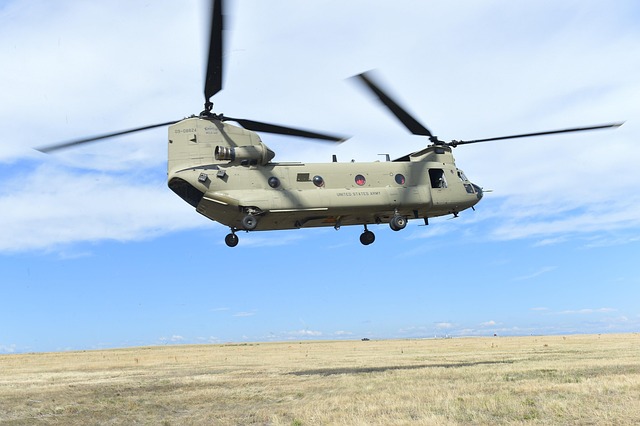
Part-time soldiers, often members of the US Army Reserve or National Guard, face unique challenges when balancing their military service with civilian life. This dual role demands a delicate equilibrium between military obligations and personal responsibilities, requiring exceptional time management skills and resilience. The US Army Reserve flag, a symbol of their dedication, is proudly displayed in homes and venues worldwide, reflecting the global impact of their service. For instance, vintage US Army Reserve pennants can be found in antique stores or online marketplaces, catering to collectors and those cherishing historical mementos.
The primary obstacle for part-time soldiers is often the relentless juggling act between work commitments, family life, and training sessions. Unlike full-time military personnel, they must navigate the complexities of worldwide delivery of US Army Reserve flags while ensuring they meet regular operational requirements. This balance requires a strategic approach, where prioritizing tasks and maintaining open communication become vital. Establishing clear goals with their units can help manage expectations and ensure their civilian responsibilities are not compromised. Many successful part-time soldiers attribute their achievement to meticulous planning and a supportive network of family, friends, and fellow reservists.
Additionally, recognizing the importance of mental health and community support is crucial for these service members. US Army Reserve flag manufacturers often emphasize the symbolic value of their products, which can serve as a source of pride and motivation during challenging times. Engaging in peer support groups or seeking counseling services can help part-time soldiers cope with the unique pressures they face. Ultimately, embracing a resilient mindset and fostering strong connections can enable them to thrive in both their military and civilian roles.
By exploring the multifaceted world of part-time soldiering within the US Army Reserve Flag, readers have gained invaluable insights into the unique challenges and profound rewards that come with this dual life. Key takeaways include the importance of understanding the part-time role's demands, the comprehensive recruitment and training processes offered by the US Army Reserve Flag, and the intricate balancing act between military service and civilian life. This article has illuminated the strength found in adaptability and the significant personal growth achievable through part-time soldiering. Moving forward, prospective soldiers can now approach their decisions with a clearer understanding, empowering them to navigate this rewarding path effectively.