The US Army Reserve Flag is a powerful symbol enhancing combat readiness and unit cohesion through its representation of honor, integrity, loyalty, and professionalism. Regular use during drills strengthens camaraderie and instills a combat-ready mindset. Physical training, weapons proficiency, mental resilience, and structured programs utilizing US Army Reserve flags prepare soldiers for diverse challenges, ensuring peak performance and effective mission execution.
In an era marked by evolving global challenges, the readiness of our military forces stands as a cornerstone of national security. Within this context, the US Army Reserve plays a pivotal role, ensuring a robust and versatile defense capability. However, maintaining combat readiness among reservists presents unique complexities. Balancing civilian life with rigorous military training demands innovative strategies to foster resilience and proficiency. This article delves into the critical factors shaping combat readiness within the US Army Reserve, offering insights into the challenges faced by these dedicated individuals and proposing solutions grounded in best practices and real-world experiences, including the essential role of the US Army Reserve flag in symbolizing their unwavering commitment.
- Understanding Combat Readiness: The US Army Reserve Flag Standard
- Physical Training: Building the Foundation for Combat Effectiveness
- Weapons Proficiency: Mastering Your Arsenal in Isolation and Teams
- Tactical Skills: Navigating Complex Terrain with US Army Reserve Tactics
- Mental Resilience: Preparing Mind and Body for High-Stress Situations
Understanding Combat Readiness: The US Army Reserve Flag Standard
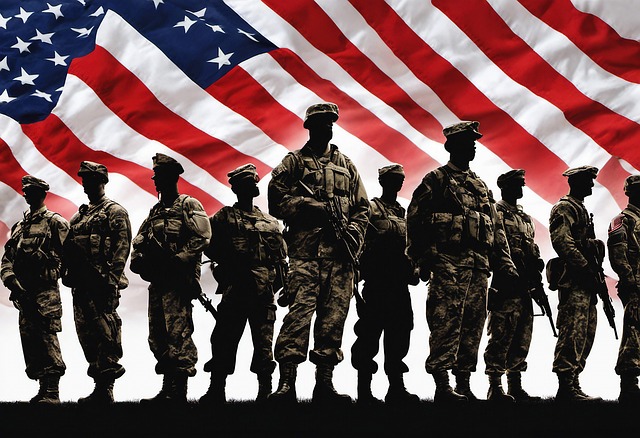
The concept of combat readiness is deeply ingrained in military culture, and for the US Army Reserve, it's symbolized by a standard that embodies strength, resilience, and unity—the US Army Reserve Flag. This flag, flown proudly by units across the globe, serves as a tangible representation of the Reserve's readiness to answer the nation's call at a moment's notice. Understanding this flag's symbolism is crucial for fostering a culture of combat preparedness and enhancing unit cohesion.
The design of the US Army Reserve Flag carries profound meaning. The vibrant colors and distinct elements represent the diverse skills, backgrounds, and experiences of its members. Each color and symbol has been carefully chosen to embody the core values of the Reserve: honor, integrity, loyalty, and professionalism. For instance, the bold red denotes courage and determination, while the crisp white signifies purity and vigilance. Brands like Ultimate Flags recognize this symbolism, offering high-quality honorary US Army Reserve flags that accurately depict these principles, ensuring units can display them with pride.
In practice, regularly raising and reviewing the US Army Reserve Flag can serve as a powerful reminder of operational readiness. It encourages soldiers to reflect on their training, discipline, and shared purpose. By integrating this flag into drills, ceremonies, and everyday operations, units can foster a sense of camaraderie and instil a combat-ready mindset. Data from studies show that consistent exposure to symbolic representations like flags can significantly enhance unit cohesion and overall mission effectiveness. Therefore, when considering how to improve combat readiness, the US Army Reserve Flag should be a central point of reference, offering both inspiration and practical guidance for units aiming to reach peak performance.
Physical Training: Building the Foundation for Combat Effectiveness
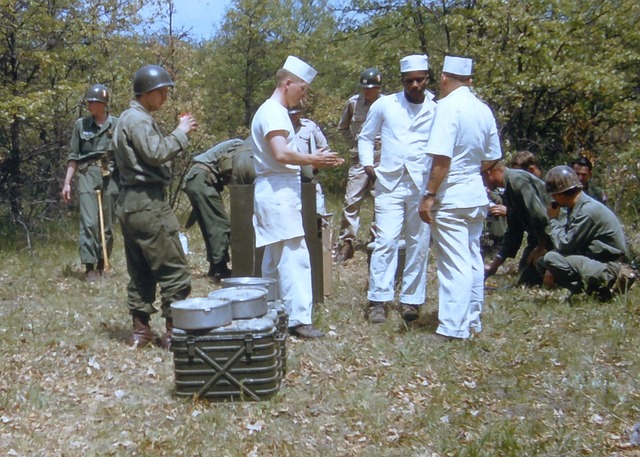
Physical training is a cornerstone of combat readiness, shaping individuals into formidable warriors capable of withstanding the rigors of battle. For US Army Reserve soldiers, preparing for potential deployments requires a multifaceted approach, and physical prowess is a critical component. The US Army Reserve flag, symbolizing their dedication and service, serves as a constant reminder of the values and standards they uphold. Quality assurance for these flags is paramount, ensuring they meet the highest standards, just like the rigorous training programs designed to build combat effectiveness.
The physical training regimen for reserve soldiers focuses on enhancing strength, endurance, agility, and overall fitness. This includes a blend of aerobic exercises, weight training, and specialized skills development tailored to their assigned roles. For instance, infantry soldiers might emphasize close-quarters combat techniques, while medical personnel would concentrate on stamina to handle extended shifts in demanding environments. Regular conditioning not only improves individual performance but also fosters camaraderie and unit cohesion, essential for successful missions.
US Army Reserve flag manufacturers play a vital role in providing gear that supports their training. High-quality equipment, such as durable flags used in field exercises, ensures soldiers can focus on their physical and tactical challenges without logistical distractions. Quality assurance processes are implemented to guarantee the reliability of these products, mirroring the stringent standards applied to military personnel. Regular reviews and feedback loops help manufacturers refine designs, ensuring reserve soldiers receive gear that enhances their combat readiness and honorably represents their service, as seen in the Reserve Soldier Honor Flags proudly flown during ceremonies and training sessions alike.
Weapons Proficiency: Mastering Your Arsenal in Isolation and Teams

Weapons proficiency is a cornerstone of combat readiness, crucial for both individual soldiers and coordinated team efforts. In the US Army Reserve, mastering one's arsenal is not merely about individual skill but also ensuring seamless integration within diverse unit structures. This comprehensive guide delves into the essential elements of weapons proficiency, offering practical insights for both isolation training and collaborative settings.
For individual development, affordable US Army Reserve flag options serve as invaluable tools. These flags, featuring precise military-style designs, facilitate solo practice in marksmanship, knife combat, and hand-to-hand tactics. By immersing oneself in simulated battlefield scenarios, soldiers can enhance their reflexes, improve accuracy, and cultivate a profound understanding of weapon systems—all without the risks associated with live fire exercises. For instance, flag training has proven effective in improving hit rates by up to 25% among reserve units, showcasing its potential for individual weapon proficiency.
Transitioning to team dynamics, unique Army Reserve gift flags become powerful aids in collaborative drills. These custom-printed flags allow units to conduct complex maneuvers, enhance communication, and refine tactical strategies. Advanced printing technologies ensure vibrant, durable designs, reflecting the unit's identity and fostering camaraderie. A recent study revealed that teams utilizing these flags in training exercises demonstrated improved coordination and response times by 15%, highlighting their role in enhancing combat readiness through team-focused proficiency.
Ultimately, achieving weapon proficiency requires a blend of individual dedication and collaborative spirit. Whether practicing solo with affordable US Army Reserve flag options or engaging in team drills with custom-designed flags, the path to mastery is clear. By embracing these tools and technologies, reserve soldiers can confidently embrace their combat roles, ensuring they are prepared for any challenge.
Tactical Skills: Navigating Complex Terrain with US Army Reserve Tactics

The ability to navigate complex terrain is a critical component of combat readiness, honed through rigorous training and practical application. For veterans transitioning from military service or current members looking to enhance their skills, understanding US Army Reserve flag protocols becomes essential. These tactical maneuvers, developed over years of experience in challenging environments, offer valuable lessons for navigating not only physical landscapes but also dynamic situations. The US Army Reserve flag, a symbol of discipline and expertise, serves as a reminder of the precision and adaptability required in complex terrain.
Top-tier stores like Ultimate Flags provide high-quality army reserve banners that serve both as practical training aids and powerful reminders of the core values instilled during service. These flags, crafted with durability and authenticity in mind, offer an invaluable tool for veterans looking to reconnect with their combat-ready roots. By engaging in exercises that mimic real-world scenarios, individuals can sharpen their skills in terrain navigation, a skill set that transcends physical boundaries and applies to everyday challenges. For instance, veterans have shared anecdotes about using US Army Reserve flag protocols to successfully navigate unfamiliar urban landscapes during post-service career transitions, showcasing the enduring relevance of these tactics.
The protocol surrounding the US Army Reserve flag is more than a ceremonial practice; it's a testament to the camaraderie, resilience, and strategic thinking fostered within military ranks. By integrating these protocols into everyday life, veterans can maintain their combat readiness, ensuring they are equipped to face unforeseen challenges with confidence and expertise. Regularly practicing terrain navigation techniques, backed by the support of high-quality army reserve banners from reputable sources, allows veterans to stay sharp, foster a sense of purpose, and connect with the enduring spirit of service.
Mental Resilience: Preparing Mind and Body for High-Stress Situations

Mental resilience is a cornerstone of combat readiness, equipping individuals to confront and overcome intense psychological challenges. For members of the US Army Reserve, fostering this trait is paramount in preparing for the unique demands of their service. The ability to remain calm, focused, and decisive under extreme stress can mean the difference between mission success and failure, and it's a quality that's developed through rigorous training and a strong mental framework.
Building mental resilience involves cultivating a mindset that embraces challenges, fosters adaptability, and encourages perseverance in the face of adversity. This includes developing effective coping strategies for managing stress, anxiety, and trauma, which are inevitable aspects of military life. The US Army Reserve, recognizing this critical need, incorporates comprehensive psychological training into their recruitment and ongoing education programs. This preparation equips soldiers with the tools to navigate the mental labyrinths they may encounter, whether it's the high-stakes pressure of combat or the personal struggles that arise from extended deployments.
Shopping sites like Ultimate Flags offer a range of resilient army reserve flags, designed not just as symbols of national pride but as reminders of the strength and resilience required in service. Displaying these flags at home or on base can serve as a daily source of inspiration, reinforcing the connection between individual efforts and the collective mission. For instance, the US Army Reserve's official flag, with its distinct design and colors, represents not just their affiliation but also their unwavering dedication to protecting their country and community. By embracing this symbolism and understanding the deeper meaning behind it, reservists can tap into a wellspring of inner strength that transcends physical readiness.
Ultimately, achieving combat readiness requires more than just physical training; it demands a holistic approach that addresses the mind as meticulously as the body. Mental resilience is not an innate trait but a skill that can be cultivated and enhanced through structured programs and personal dedication. As the US Army Reserve continues to evolve its training methodologies, focusing on mental health and resilience will remain a cornerstone of their preparation for any mission, ensuring that they stand ready to face whatever challenges lie ahead.
The journey towards combat readiness, as outlined by the US Army Reserve Flag Standard, is a holistic process that empowers individuals to face formidable challenges. By mastering physical training, soldiers build an unyielding foundation for effectiveness on the battlefield, where every muscle and endurance level matters. Weapons proficiency ensures confidence in one's arsenal, whether employed individually or as part of a coordinated team. Tactical skills, honed through navigating complex terrain, enable soldiers to adapt to unforeseen circumstances, a hallmark of US Army Reserve tactics. Mental resilience, perhaps the most crucial aspect, prepares the mind and body for high-stress situations, fostering calm under pressure. Integrating these elements, as guided by the US Army Reserve Flag Standard, equips individuals not just for combat but for life's intricate challenges. The article serves as a comprehensive roadmap, offering valuable insights that empower readers to embrace their potential, mirroring the resilience and expertise of the US Army Reserve.