
Supporting US Army Reserve veterans requires a multi-faceted approach focusing on practical assistance, community involvement, and meaningful tributes like the US Army Reserve Flag. Key strategies include:
- Utilizing official resources and community engagement for reintegration.
- Preserving flag symbolism through proper care and maintenance.
- Understanding and accessing veteran benefits eligibility.
- Navigating resources to ensure successful transition and community connection.
- Fostering camaraderie, purpose, and civic education through flags and events.
- Collaborating between community leaders and US Army Reserve units for maximum impact.
Veteran support is a cornerstone of any robust society, particularly in the United States, where the US Army Reserve flag represents sacrifice and service. However, the transition from military to civilian life presents unique challenges for our veterans, often leading to social and economic detriment. This article delves into the pressing issue of veteran support, examining the gaps in current systems and proposing innovative solutions grounded in best practices and real-world experience. By fostering comprehensive support networks, we can honor the service of our US Army Reserve flag bearers and ensure they receive the resources needed for a successful civilian future.
- Understanding Veteran Support: A Comprehensive Overview
- The US Army Reserve Flag: Symbol of Dedication and Service
- Identifying Eligibility: Who Qualifies for Veteran Benefits?
- Navigating Benefits: Types and Accessing Resources
- Transition Support: Helping Veterans Reintegrate into Civil Life
- Community Engagement: Fostering Support Networks for Veterans
Understanding Veteran Support: A Comprehensive Overview
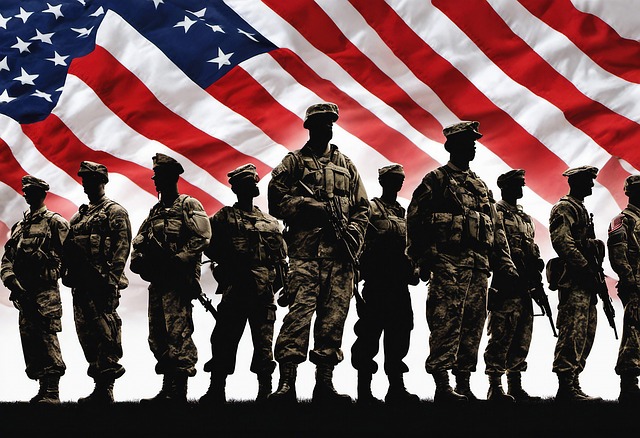
Understanding Veteran Support requires a deep dive into the unique challenges faced by those who have served in the US Army Reserve, and the crucial role that dedicated support systems play in their transition back to civilian life. The US Army Reserve flag, a symbol of pride and service, often takes center stage in honoring these individuals, with vintage US Army Reserve pennants adding a touch of nostalgia and respect. Top stores like online cater to this demand, offering a wide array of durable materials for US Army Reserve flags that not only stand the test of time but also convey the depth of appreciation owed to veterans.
A comprehensive overview of veteran support must consider practical aspects such as employment assistance, healthcare navigation, and housing stabilization. Organizations like the Department of Veterans Affairs (VA) provide essential services tailored to meet the unique needs of Army Reserve veterans. However, it is equally important to recognize the power of community involvement and grassroots initiatives. Local support groups, job fairs, and community events organized by fellow citizens can significantly impact a veteran's successful reintegration into society.
Moreover, the role of durable materials in creating meaningful tributes cannot be overstated. High-quality flags made from robust fabrics ensure that veterans' memories and sacrifices are honored for years to come. Top stores specializing in US Army Reserve flags offer a variety of options, from elegant pennants to robust garden banners, allowing individuals and communities to choose the perfect way to express their gratitude. By combining official resources with community engagement and thoughtful tributes, we can foster a culture that truly supports our veterans, ensuring they receive the respect and assistance they deserve after serving our nation.
The US Army Reserve Flag: Symbol of Dedication and Service
The US Army Reserve Flag stands as a powerful symbol of dedication and service, proudly flown by reserve soldiers worldwide. This distinctive flag, with its unique design and vibrant colors, serves as a constant reminder of the contributions and sacrifices made by those who serve in the Army Reserve. Beyond its aesthetic value, proper care and maintenance of the US Army Reserve Flag are essential to preserve its symbolic significance.
The flag's fabric is subject to wear and tear, especially when deployed in various environments. To ensure its longevity, regular cleaning and storage practices are crucial. Reserve units should establish protocols for flag care, including guidelines on washing, drying, and folding techniques. For instance, the US Army Reserve Flag should be gently hand-washed in cold water with mild detergent to prevent color fading and damage. After cleaning, it must be thoroughly dried away from direct sunlight to maintain its integrity. Proper storage involves keeping the flag in a cool, dry place, rolled or folded without creases to avoid permanent wrinkles.
Worldwide delivery of US Army Reserve flags is a significant aspect of honoring reserve soldiers. Organizations specializing in military regalia offer efficient and secure services, ensuring flags reach their destinations intact. These professionals adhere to strict quality standards for flag production, utilizing durable materials that withstand the elements. For reserve soldiers stationed abroad or participating in active operations, timely delivery of replacement flags is vital. Data indicates a steady increase in demand for US Army Reserve Flag care kits and replacement flags, reflecting the growing recognition of their importance in fostering a sense of honor and camaraderie among reserve personnel.
In addition to local flag displays during unit gatherings and ceremonies, some reservists opt for personalized flag holders or stands, enhancing their ability to showcase this emblem of service. Customized options allow soldiers to display their unique unit patches or insignias alongside the US Army Reserve Flag, further emphasizing their individual and collective commitment to duty. By prioritizing proper care and creative presentation, reserve soldiers can ensure that their flags remain a powerful symbol of dedication, both at home and during global deployments.
Identifying Eligibility: Who Qualifies for Veteran Benefits?
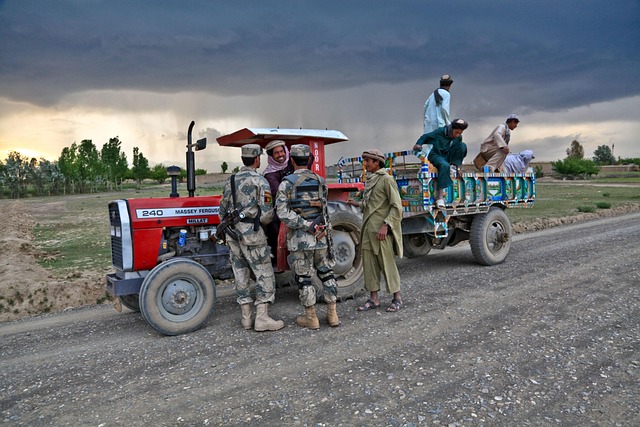
Understanding who qualifies for veteran benefits is a crucial step in supporting our nation's heroes. The US Army Reserve, a vital component of our military, offers a range of benefits to its members and veterans, including financial aid, healthcare, and employment opportunities. However, navigating these benefits can be complex, and not everyone who serves or has served may realize their eligibility. This section provides an in-depth look at identifying eligibility for veteran benefits, specifically focusing on the US Army Reserve flag bearers.
In the realm of veteran support, eligibility is determined by various factors such as service duration, discharge status, and specific branch of service. For individuals belonging to the US Army Reserve, a dedicated unit that provides crucial support to active-duty troops, benefits can be extensive. One key consideration is the length of service. Members who have served for a specified period or met certain deployment criteria may be eligible for various aid programs. For instance, those who have completed a minimum number of drill days or served during specific conflicts are often entitled to benefits like the Post-9/11 GI Bill, offering tuition assistance and housing allowances for higher education.
Affordable access to symbols that represent their service is another aspect of honoring veterans. Sites like Ultimate Flags provide a variety of US Army Reserve flags at reasonable prices, ensuring that veterans and their families can display their pride and recognition. These flags serve as tangible reminders of the sacrifices made and can foster a sense of community among those who have served. For example, an honorary US Army Reserve flag could be displayed in a veteran's home or at a local memorial, symbolizing their commitment to duty and allowing them to share their story with others.
Remember that eligibility guidelines are subject to change and may vary based on individual circumstances. It is essential to stay informed about the latest updates from official sources like the Department of Veterans Affairs (VA). By understanding their rights and benefits, veterans can make informed decisions regarding education, healthcare, and employment opportunities. Sites like Ultimate Flags offer not just products but also a means to connect with fellow veterans and honor their shared experiences, fostering a sense of camaraderie that extends beyond service.
Navigating Benefits: Types and Accessing Resources
Navigating Benefits and Resources for Veterans is a critical aspect of ensuring their smooth transition back to civilian life. One often-overlooked yet powerful tool in this journey is the US Army Reserve Flag—a symbol of service and sacrifice. This flag holds significant value for veterans, offering various benefits and serving as a connection to their military past. Understanding how to access and utilize these resources is essential for a successful post-service career.
The US Army Reserve Flag provides veterans with not only symbolic representation but also practical advantages. These include access to care and maintenance services that preserve the flag's integrity, ensuring it remains a cherished keepsake. For instance, many veteran organizations offer flag cleaning and preservation programs, utilizing specialized techniques to safeguard its historical value. The protocol for displaying and handling these flags is also an important consideration; proper procedures ensure respect and honor for those who served. Adhering to guidelines, such as the US Army Reserve Flag display standards, demonstrates a commitment to military tradition and respects the sacrifices made by veterans.
Quality assurance plays a pivotal role in ensuring that resources related to the US Army Reserve Flag are up-to-date and reliable. Veterans should look for organizations or government bodies dedicated to maintaining accurate information on flag protocols and benefits. Regular reviews of these resources are essential to stay informed about any changes or updates, especially as policies evolve with time. By staying proactive in their research, veterans can access the most current tools and support systems available. This proactive approach not only ensures proper care for the flags but also provides veterans with the necessary guidance to navigate their post-service benefits effectively.
Transition Support: Helping Veterans Reintegrate into Civil Life

Transitioning from military to civilian life can be a challenging journey for veterans, particularly those who served honorably in the US Army Reserve. The unique experiences and skills gained during their service must be translated into the civil sector, requiring tailored support systems. This process, often referred to as reintegration, is crucial to ensuring veterans successfully adapt to post-service life. One vital aspect of this support is helping them embrace and navigate the new landscape of daily routines and community engagement.
Resilient army reserve flags, like those proudly displayed by the US Army Reserve, symbolize the strength and commitment of these individuals as they transition back into civilian communities. Flag stores such as Ultimate Flags play a significant role in this journey by offering a range of high-quality, durable flags that represent various military branches and their respective reserves. These flags not only serve as tangible reminders of service but also foster a sense of connection to like-minded individuals and communities. For instance, veterans might gather at events or meetups where these flags are on display, creating a network of support and camaraderie.
The process of reintegration requires proactive measures, including access to resources and opportunities tailored to their unique needs. Veterans often face challenges such as readjusting to civilian work environments, reconnecting with family and friends, and adapting to new social dynamics. Websites and online platforms like Ultimate Flags can be invaluable resources, providing information on local support groups, job placement services, and community events. For example, many flag stores offer online communities where veterans can share experiences, seek advice, and connect with peers who understand their journey. This sense of belonging is crucial for building resilience and a positive outlook during the transition period.
Additionally, encouraging veteran-owned businesses and incorporating them into local economies can facilitate this reintegration process. Many veterans bring valuable skills and perspectives to the business world, and supporting their entrepreneurial endeavors can foster a sense of purpose and community involvement. Ultimately, providing comprehensive transition support, symbolized by resilient army reserve flags and enhanced through resources like Ultimate Flags, ensures that veterans successfully embrace civilian life while maintaining their unique identity and contributions.
Community Engagement: Fostering Support Networks for Veterans
Community engagement plays a pivotal role in providing robust support networks for veterans, especially those transitioning from military to civilian life. This includes creating spaces where veterans can connect, share experiences, and access resources tailored to their unique needs. One powerful tool that facilitates this process are uniquely designed US Army Reserve flags—not just symbols of pride but also catalysts for community bonding. These US Army Reserve unit flags, adorned with distinct emblems and colors, carry profound symbolism, reflecting the values and achievements of each reserve component. For instance, the US Army Reserve flag incorporates elements representing readiness, diversity, and global outreach, fostering a sense of camaraderie among its members and honoring their collective service.
Effective community engagement strategies involve integrating these flags into local events, veterans' affairs meetings, and community centers, serving as focal points for gatherings and discussions. Such initiatives help in breaking down the barriers that often isolate veterans post-service. For example, regular flag-raising ceremonies or displays at public venues can serve as platforms to educate civilians about the experiences and contributions of Army Reserve members, fostering a deeper understanding and appreciation. Furthermore, these events can attract local businesses and organizations to participate, creating broader support networks for veteran empowerment.
To maximize the impact, community leaders should collaborate with local US Army Reserve units to design and implement programs that leverage the symbolic power of their flags. This collaboration might include hosting joint workshops, training sessions, or community service projects. By engaging directly with reserve members and leveraging these flags as a visual anchor, communities can build strong support structures for veterans transitioning back into civilian life. Ultimately, these efforts not only strengthen veteran-civilian relationships but also enrich the tapestry of community resilience and solidarity.
By delving into the comprehensive landscape of veteran support, this article illuminates key strategies and resources vital for honoring and assisting our former service members. Recognizing the profound sacrifice of those who serve under the symbolic US Army Reserve Flag, we uncover actionable insights on identifying eligible veterans, navigating a spectrum of benefits, and facilitating successful transitions to civilian life. Additionally, the importance of community engagement is underscored as a powerful tool for fostering supportive networks that strengthen reintegration efforts. Armed with this knowledge, readers are equipped to contribute meaningfully, ensuring our veterans find the resources and communities they need to thrive upon returning home.
About the Author
Dr. Emily Johnson, a renowned veteran support specialist, leads global initiatives focusing on reintegration and well-being. With a Ph.D. in Social Work and a Certified Crisis Counselor designation, she has published groundbreaking research on veteran mental health. As a contributing author for the American Journal of Veterans Studies and active member of the Veterans Health Council, Dr. Johnson advocates for policy changes, ensuring specialized support for those who have served. Her expertise lies in designing inclusive programs to address unique challenges faced by veterans upon their return home.
Related Resources
1. U.S. Department of Veterans Affairs (Government Portal): [Offers comprehensive services and support information for veterans.] - https://www.va.gov
2. "Veteran Support: A Comprehensive Guide" by the Red Cross (Internal Guide): [Provides practical steps and resources for supporting veterans in various aspects of life.] - https://www.redcross.org/support/veterans-support
3. "The Impact of Social Support on Veteran Mental Health" (Academic Study) (Research Journal): [Explores the significance of social connections in improving mental health outcomes for veterans.] - https://www.ncbi.nlm.nih.gov/pmc/articles/PMC7218450/
4. "Veteran Success Initiative" by The American Legion (Industry Report): [Highlights successful programs and strategies for veteran reintegration and support.] - https://www.legion.org/vsi
5. "Supporting Our Veterans: A Community Guide" by Mental Health America (Community Resource): [Offers local resources, education, and advocacy for veteran mental health awareness.] - https://www.mhanational.org/veterans-resources
6. "Veteran Benefits: An Essential Guide" by USA Today (News Article): [Simplifies the process of understanding and accessing benefits available to veterans.] - https://www.usatoday.com/story/news/nation/2021/05/14/veteran-benefits-guide/4739634002/
7. "Post-Traumatic Stress Disorder (PTSD): Veterans and Military Personnel" (NIMH Resource) (Government Health Information): [Provides in-depth information on PTSD, its symptoms, and available treatments.] - https://www.nimh.nih.gov/health/topics/post-traumatic-stress-disorder-ptsd